

Efficient Vendor Dispatch Coordination for Multi-Location Property Managers
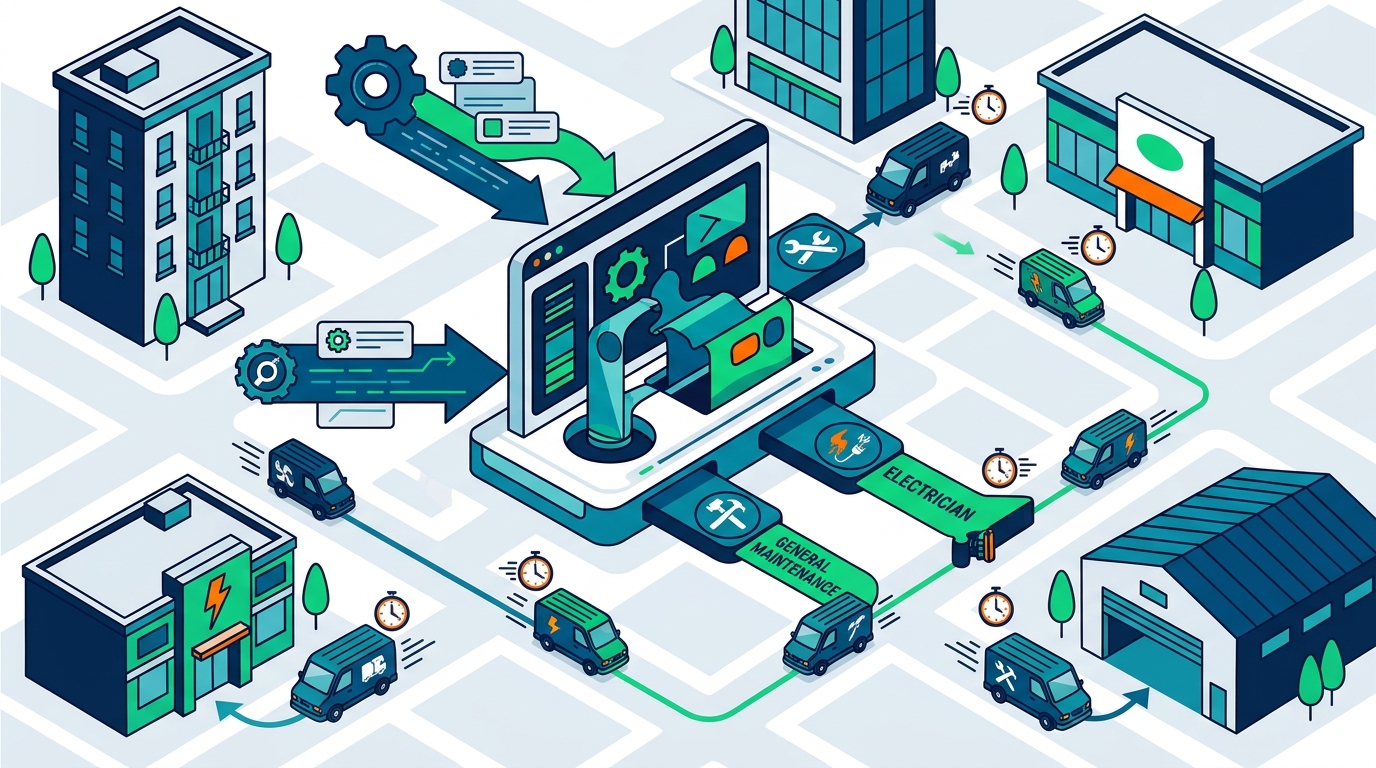
Property managers coordinate vendor schedules and dispatch across multiple locations efficiently by replacing manual phone calls and spreadsheets with automated triage systems. These systems instantly categorize incoming maintenance requests, match them to pre-approved vendor pools based on skill and location, and dispatch work orders in real time. This approach eliminates the bottleneck of human coordination, ensuring that critical issues are resolved before they escalate into costly repairs or tenant dissatisfaction. according to MULTIPLE SCHEDULES IN
The Hidden Cost of Manual Coordination
Traditional property management relies on a human layer to route information. A property manager receives a call, assesses the issue, finds a vendor, negotiates a price, and schedules the visit. This process is slow and prone to error. Dispatch coordination is the logistical process of matching specific maintenance needs with the right service provider at the right time and location. When this process is manual, it creates a permanent operational leakage. Every hour a manager spends on phone tag is an hour not spent on asset strategy. The delay between a tenant reporting a leak and a plumber arriving is where value is lost. In multi-location portfolios, this friction multiplies. A manager overseeing ten buildings cannot personally track the availability of five different HVAC contractors. The result is a reactive posture where managers are constantly firefighting rather than governing.
Automated Triage and Intelligent Routing
Efficiency begins with the moment a request is received. Modern operating layers use AI to parse the nature of the issue instantly. Automated triage is the use of artificial intelligence to classify maintenance requests by severity, category, and required skill set upon intake. Instead of a human guessing whether a dripping faucet is an emergency or a routine fix, the system analyzes the description and historical data. It then routes the work order to the appropriate queue. For multi-location portfolios, this routing is geographic and skill-based. If a commercial office in Chicago reports a broken elevator, the system identifies the certified elevator technician with the nearest availability. This removes the cognitive load from the asset manager. The system handles the logistics, while the manager retains oversight. This shift allows a single team to manage a larger footprint without adding headcount.
Vendor Oversight and Compliance Controls
Dispatching work is only half the equation. The other half is ensuring the work is done correctly and billed accurately. Vendor oversight is the continuous monitoring of service provider performance, including response times, completion quality, and invoice accuracy. In a manual setup, a manager might not notice a vendor charging 20% above market rate until the end of the month. An automated system flags anomalies in real time. If a vendor submits an invoice that deviates from the agreed contract terms or historical averages, the system holds the payment for review. This creates a feedback loop. Vendors who respond quickly and bill accurately are prioritized for future dispatches. Those who miss windows or overcharge are flagged. This data-driven approach turns vendor management from a relationship exercise into a performance metric. It ensures that the portfolio is always working with the most efficient and cost-effective partners.
Real-Time Visibility and Portfolio Reporting
Implementation Strategies for Multi-Location Portfolios
Key Takeaways
- Manual dispatch coordination is a primary driver of operational inefficiency in multi-location portfolios.
- Automated triage uses AI to classify and route maintenance requests instantly, reducing response times.
- Vendor oversight through real-time anomaly detection prevents overbilling and ensures service quality.
- Real-time reporting provides a live view of all open work orders across the entire portfolio. according to Trump Administration Begins
- Implementation requires clear approval thresholds and integration with existing accounting systems.
- The goal is to shift the manager's role from information routing to strategic governance.
Frequently Asked Questions
How does automated dispatch handle emergency situations?
Automated systems prioritize requests based on severity. Emergency issues, such as gas leaks or major water damage, are flagged immediately and dispatched to the nearest available emergency vendor. The system bypasses standard scheduling queues to ensure rapid response.
Can the system work with my existing vendor contracts?
Yes. The system ingests existing contract terms and pricing structures. It uses this data to validate invoices and route work to the correct vendor. No new contracts are required, though digitizing existing ones improves accuracy.
Who is in control of the dispatch decisions?
The asset manager is always in control. They set the rules, spend thresholds, and approval gates. The system executes within those boundaries and escalates anything outside them for human review.
Does this replace the property manager?
No. It replaces the administrative layer of the property manager's role. The manager still makes strategic decisions and approves significant spend, but they no longer spend hours on phone calls and scheduling.
How long does it take to implement?
Implementation time varies by portfolio size and data readiness. However, automated onboarding tools can digitize portfolios in weeks, allowing the system to start routing work orders quickly.
Conclusion
Coordinating vendor schedules across multiple locations is a logistical challenge that manual processes cannot solve at scale. By adopting an autonomous operating layer, property managers can eliminate the friction of information routing. REIT AI's Mondo platform provides the infrastructure for this shift, handling triage, dispatch, and oversight while keeping the asset manager in charge. This approach allows institutional owners to protect their Net Operating Income and gain real-time visibility into their operations. To see how this works in practice, request a demo and explore the capabilities of the autonomous operating layer.