

Automating maintenance triage and vendor dispatch is the most effective way to reduce operational friction in institutional real estate. By replacing manual coordination with intelligent software, portfolios can resolve issues faster and cut costs. This guide covers the core components of automated maintenance systems and how to implement them effectively.
Maintenance Triage Automation
Maintenance triage is the process of evaluating incoming service requests to determine their severity, category, and required response time. In traditional property management, this step relies on human judgment, which introduces delays and inconsistent prioritization. Automated systems use data to make these decisions instantly, ensuring that critical issues are addressed before they escalate.
Intelligent Intake and Classification
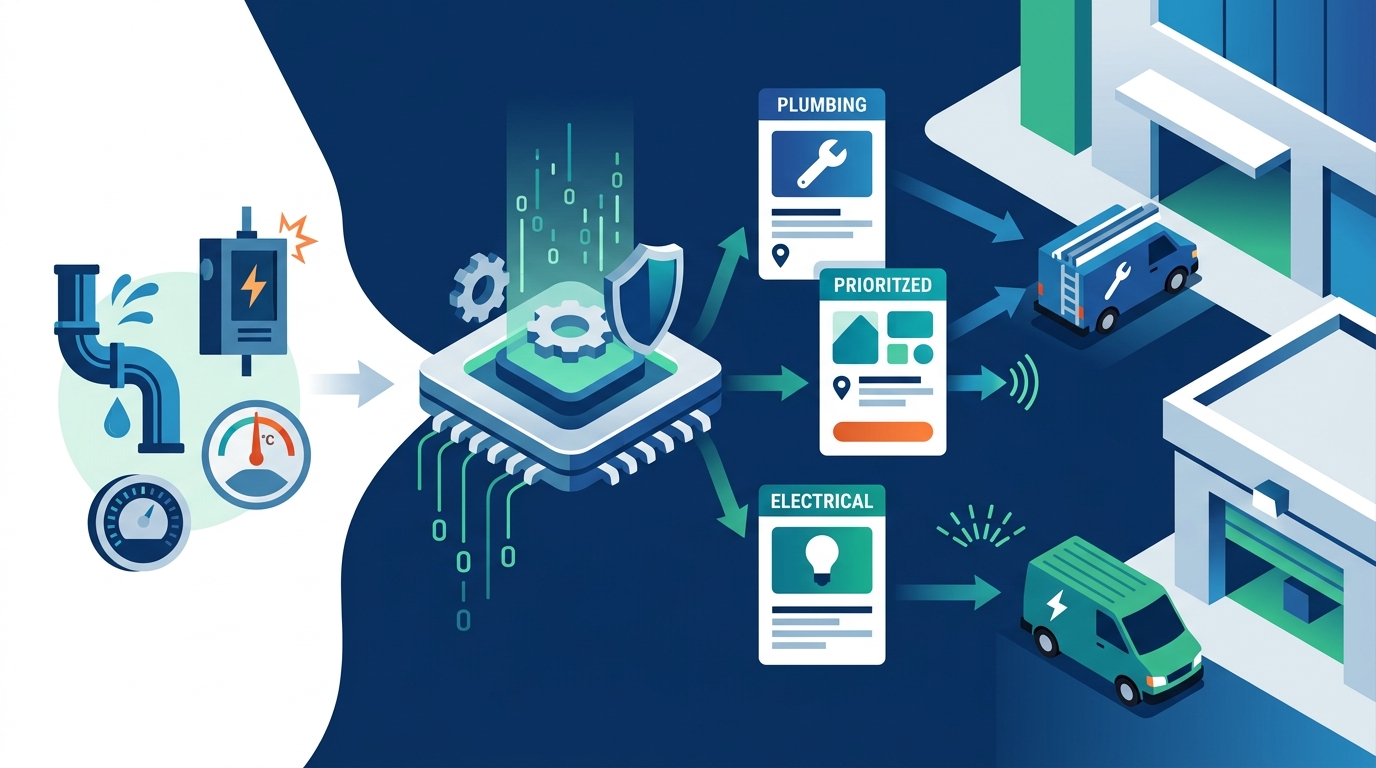
Modern platforms ingest requests from multiple channels, including mobile apps, email, and phone systems. The software analyzes the content to classify the request into specific categories such as plumbing, electrical, or HVAC. This classification determines the initial response protocol and assigns the request to the appropriate queue. By removing the manual sorting step, the system ensures that no request is overlooked or misprioritized.
Severity Assessment and Escalation
Severity assessment is the evaluation of a maintenance issue's impact on tenant safety and property value. Automated triage engines use predefined rules and historical data to assign a severity level to each request. High-severity issues, such as gas leaks or major water damage, trigger immediate escalation to on-site staff or emergency vendors. This proactive approach prevents minor issues from becoming costly emergencies.
Lease-Driven Liability Resolution
One of the most complex aspects of triage is determining who is responsible for the repair. Automated systems can parse lease agreements to identify maintenance liabilities and responsibility splits. This capability ensures that the correct party is billed for the work, reducing disputes and financial leakage. By resolving liability at intake, the system streamlines the entire workflow from request to resolution.
Vendor Dispatch Coordination
Vendor dispatch coordination is the process of selecting, scheduling, and overseeing third-party service providers to complete maintenance work. Manual dispatch is often slow and error-prone, leading to delays and poor vendor performance. Automated coordination systems optimize this process by matching requests with the right vendors based on availability, expertise, and cost.
Policy-Based Vendor Selection
Automated dispatch systems use predefined policies to select vendors for each request. These policies can include spend thresholds, preferred vendor lists, and performance metrics. When a request is triaged, the system identifies the best available vendor who meets the policy requirements. This ensures consistency in service quality and cost control across the portfolio.
Real-Time Tracking and Oversight
Once a vendor is dispatched, the system tracks the work in real time. This includes monitoring arrival times, work progress, and completion status. If a vendor fails to meet expected timelines, the system can flag the issue and trigger a follow-up. This level of oversight ensures that work is completed on time and to the required standard, reducing the need for manual check-ins.
Cost Anomaly Detection
Cost anomaly detection is the process of identifying unusual pricing or billing patterns in vendor invoices. Automated systems compare incoming invoices against historical data and contract terms to flag discrepancies. This capability helps prevent overbilling and ensures that the portfolio is only charged for the work actually performed. By catching anomalies before payment, the system protects the portfolio's financial health.
Key Takeaways
- Automated triage reduces response times by classifying and prioritizing requests instantly.
- Policy-based vendor selection ensures consistency and cost control across the portfolio.
- Real-time tracking provides visibility into vendor performance and work progress.
- Cost anomaly detection prevents overbilling and protects financial health.
- Lease-driven liability resolution reduces disputes and financial leakage.
- Integration with existing systems ensures seamless data flow and minimal disruption.
- Scalable solutions can handle portfolios of any size, from single assets to large REITs.
Frequently Asked Questions
How does automated triage differ from manual triage?
Automated triage uses software to classify and prioritize requests instantly, while manual triage relies on human judgment. This results in faster response times and more consistent prioritization.
Can automated systems handle emergency maintenance?
Yes, automated systems can identify high-severity issues and trigger immediate escalation to emergency vendors. This ensures that critical issues are addressed quickly.
How does vendor dispatch coordination work?
Vendor dispatch coordination uses predefined policies to select and schedule vendors. The system tracks work progress and flags any issues that arise.
What is cost anomaly detection?
Cost anomaly detection is the process of identifying unusual pricing patterns in vendor invoices. This helps prevent overbilling and ensures financial accuracy.
How long does it take to implement an automated system?
Implementation time varies depending on the complexity of the portfolio and the system being used. Most systems can be deployed in a matter of weeks.
Can automated systems integrate with existing property management software?
Yes, most automated systems offer integration capabilities with existing property management software. This ensures seamless data flow and minimal disruption.
Conclusion
Automating maintenance triage and vendor dispatch is a critical step in modernizing real estate operations. By leveraging intelligent software, portfolios can achieve faster response times, better cost control, and improved tenant satisfaction. REIT AI provides the tools and expertise to help you implement these solutions effectively. To learn more about how REIT AI can transform your portfolio's operations, request a demo.